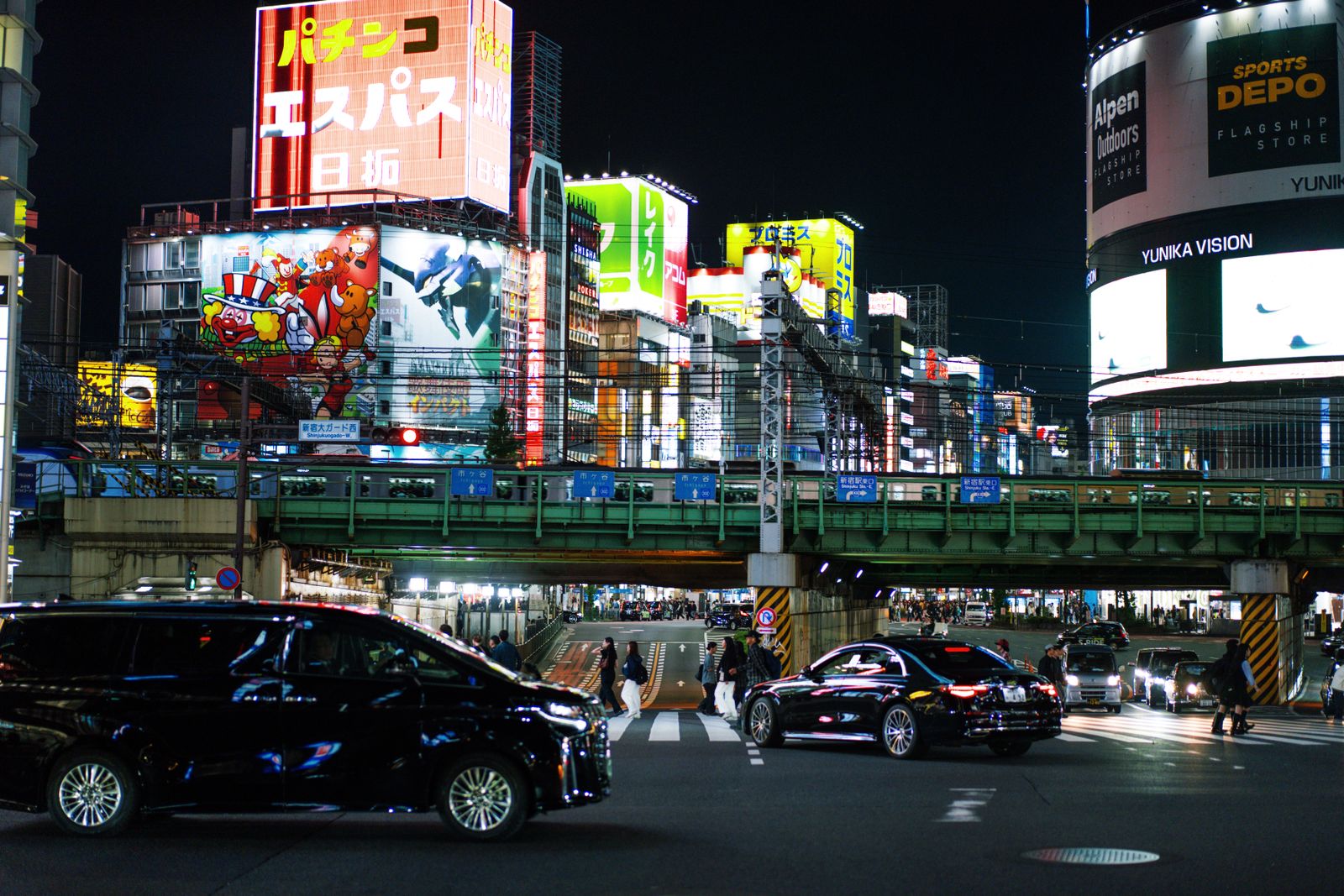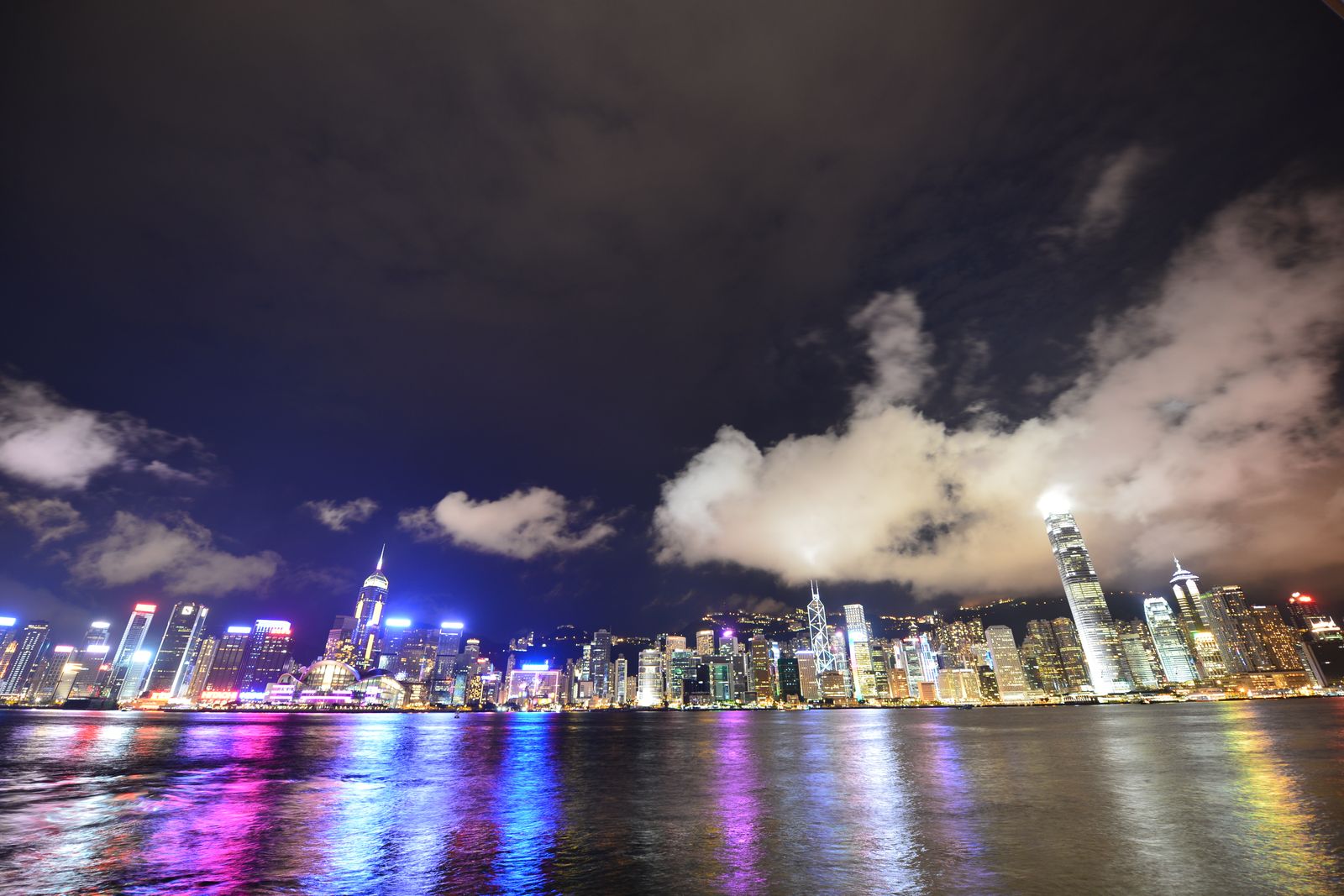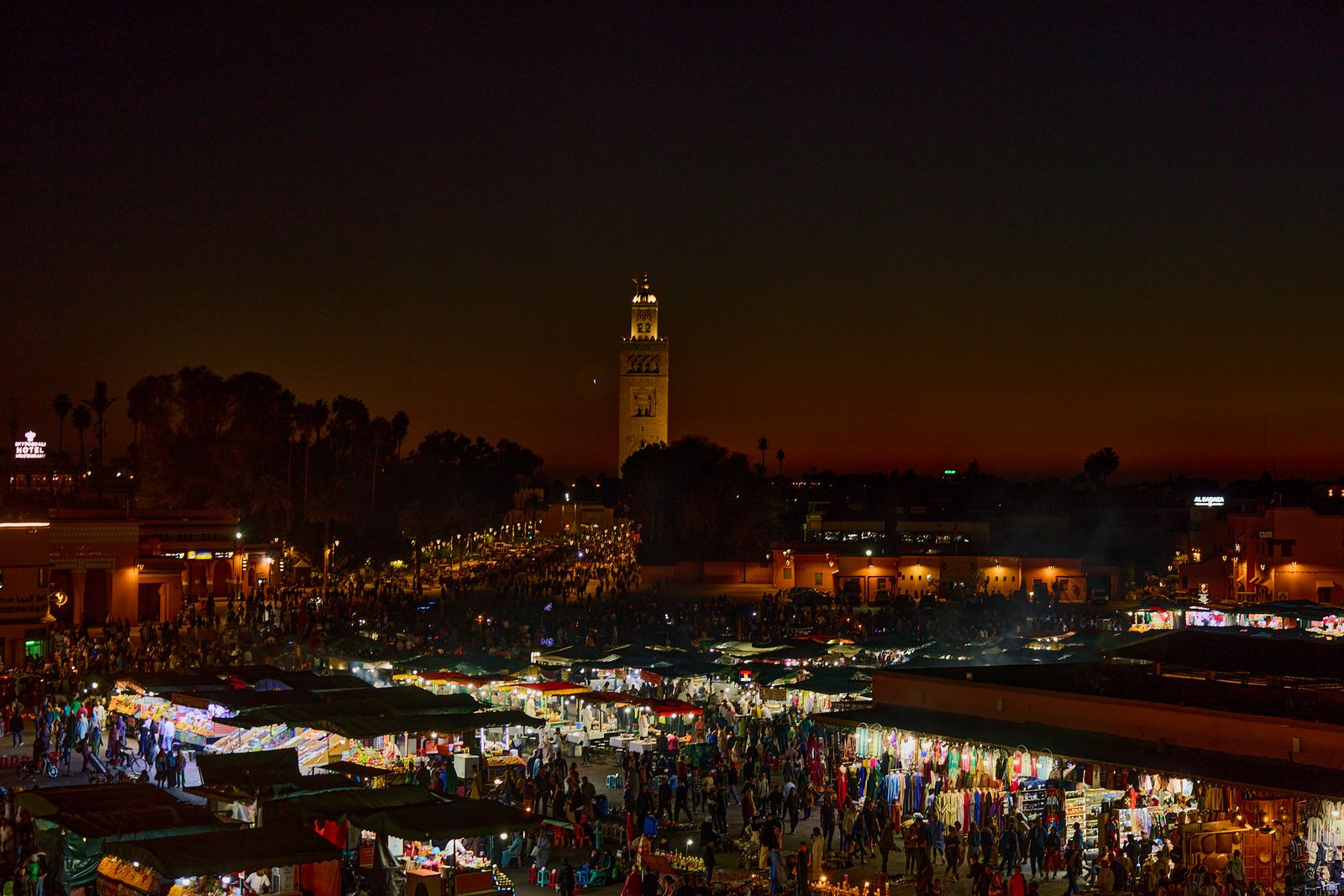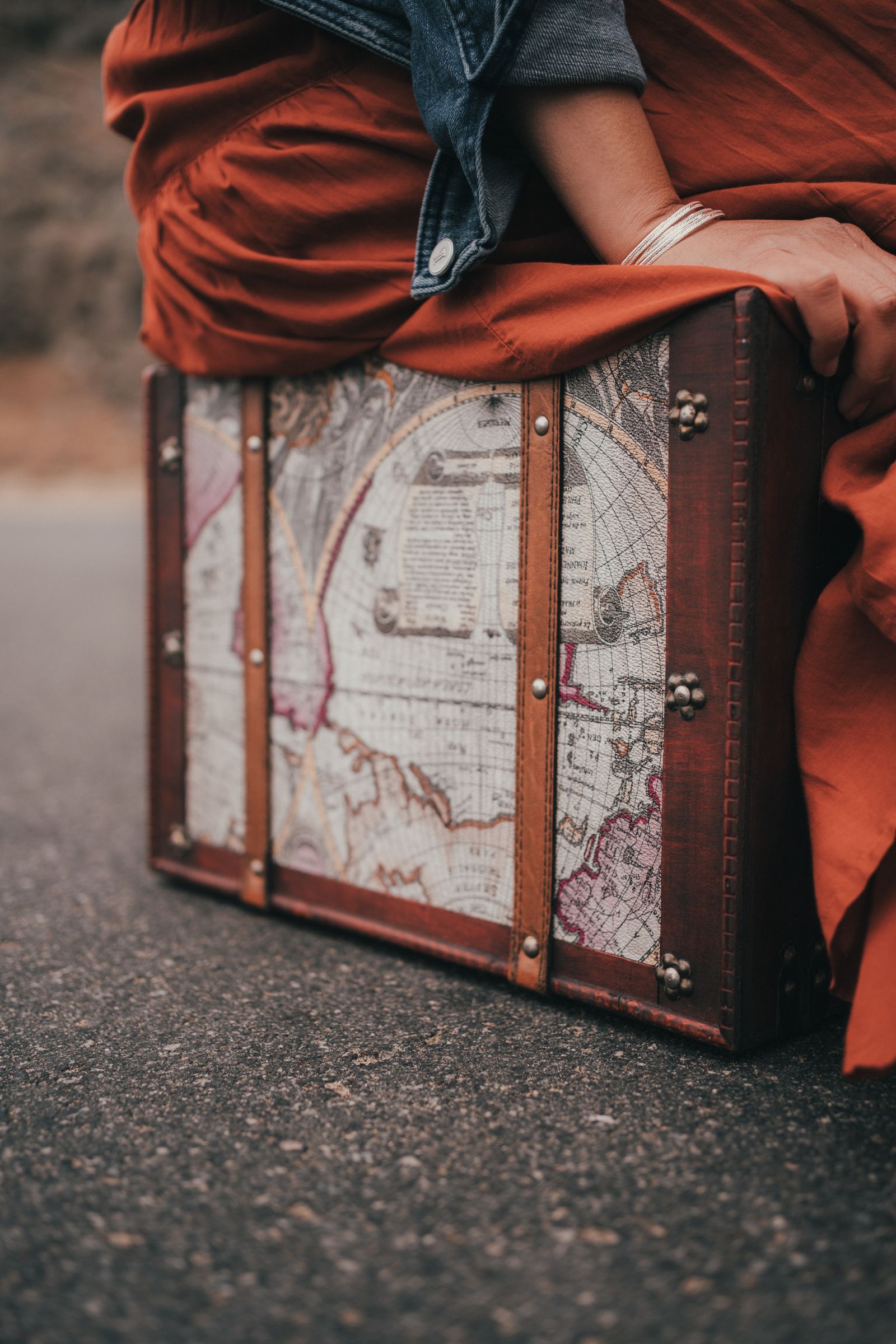
In an age of smartphones and GPS, there is something deeply satisfying about traveling with paper maps, film cameras, and handwritten journals.
I pack my bag with care: a Leica M6 loaded with Tri-X, a Moleskine notebook, a fountain pen, and a stack of folded maps. No phone, no laptop, no screens. Just the essentials.
The first day is disorienting. Without a phone to check, I find myself reaching for my pocket out of habit. But by the second day, I begin to relax into the rhythm of analog travel. I navigate by landmarks and intuition, stopping to ask for directions when I get lost.
The film camera forces me to slow down and think about each shot. I have only thirty-six frames per roll, so every exposure counts. I find myself composing more carefully, waiting for the right light, the right moment.
At the end of each day, I sit in a café and write in my journal, recording the day's events in longhand. The act of writing by hand is meditative, and the journal becomes a record not just of where I went, but of how I felt.
When I return home and develop the film, the images are imperfect but full of life. The journal is a treasure, a physical artifact of the journey. Analog travel is slower, more deliberate, and infinitely more rewarding.